Why Your Wellness Program Isn't Working

You renewed it anyway.
The gym membership subsidy. The meditation app. The EAP that three people have ever called. The wellness challenge where six employees competed and one of them was you.
You knew the participation numbers were soft. You presented them to leadership anyway, rounded up, and told yourself next year would be different.
But here's the thing. Next year looks a lot like last year.
Not because you chose the wrong program. Because you put it in the wrong place.
The placement problem nobody's naming...
Most corporate wellness programs share one design flaw.
They live outside the workday.
The gym is before work or after it. The meditation app requires a quiet moment that never comes. The wellness challenge happens in theory, somewhere between the third meeting and the quarterly review.
The message, intended or not, is that health belongs on your own time.
So employees do what rational people do. They leave it there.
Look around your next all-hands. Count the things working against your people before the meeting even starts. The doughnuts on the table instead of fresh fruit. The chairs nobody has gotten out of for 90 minutes. The agenda so packed there isn't a single moment to stand, stretch, or breathe, literally. The fluorescent lights humming overhead that nobody questions.
That's not a wellness gap. That's a wellness contradiction. You're funding both sides.
Meanwhile the actual workday, the nine hours where stress is created, where cortisol spikes, where people push through headaches and tension and shallow breathing and keep going, gets nothing.
And then everyone wonders why the wellness investment isn't moving the needle on burnout, absenteeism, or turnover.
The cost of getting the placement wrong...
Here's what I've seen across two decades of working with corporate teams.
The organizations spending the most on wellness aren't always the ones with the healthiest cultures. And the ones with the healthiest cultures aren't always spending the most.
The difference is placement.
When wellness lives outside the workday, it competes with everything else. It requires discretionary energy that burned-out employees simply don't have.
When wellness lives inside the workday, it doesn't compete with anything. It becomes part of how the work gets done.
It's a structural shift. And it changes everything, participation rates, engagement scores, the way your team actually feels on a Tuesday afternoon.
What inside the workday actually looks like...
This is not about adding more to an already full day.
It's about embedding recovery into what's already happening.
A 90-second breathing practice before a high-stakes meeting. A two-minute movement break between back-to-back calls. A guided reset at the top of an all-hands that brings people's nervous systems down before the agenda even starts.
I've built programs like this in financial services, healthcare, government, and education. The shift from alongside to inside is almost always the turning point.
When a team opens a meeting with 90 seconds of guided breathing, something measurable happens. Cortisol drops. Focus sharpens. The conversation that follows is different- more human.
Think of it as performance instead of wellness.
And people feel the difference immediately.
The question worth sitting with...
Before you renew anything, ask yourself this.
Where does stress actually happen in your organization?
Not in theory. Specifically. Is it in the Monday all-hands? The Q4 push? The hour before the board presentation? The moment right after a difficult client call?
That's where wellness needs to live. In the moment itself, when the nervous system is activated and the body needs a way back.
The organizations I work with don't have fancier programs than yours. They just have them in the right place.
Inside the workday. Not alongside it.
That shift changes what wellness actually does, for your people, your culture, and the numbers you report to leadership.
Let's find the right place for yours...
If your wellness program is doing more for your renewal report than for your people, it might be time to rethink the placement, not the budget.
I work with HR leaders and leadership teams to build wellness into the structure of the workday itself. No extra time required.
If that sounds like what your team needs, let's talk.
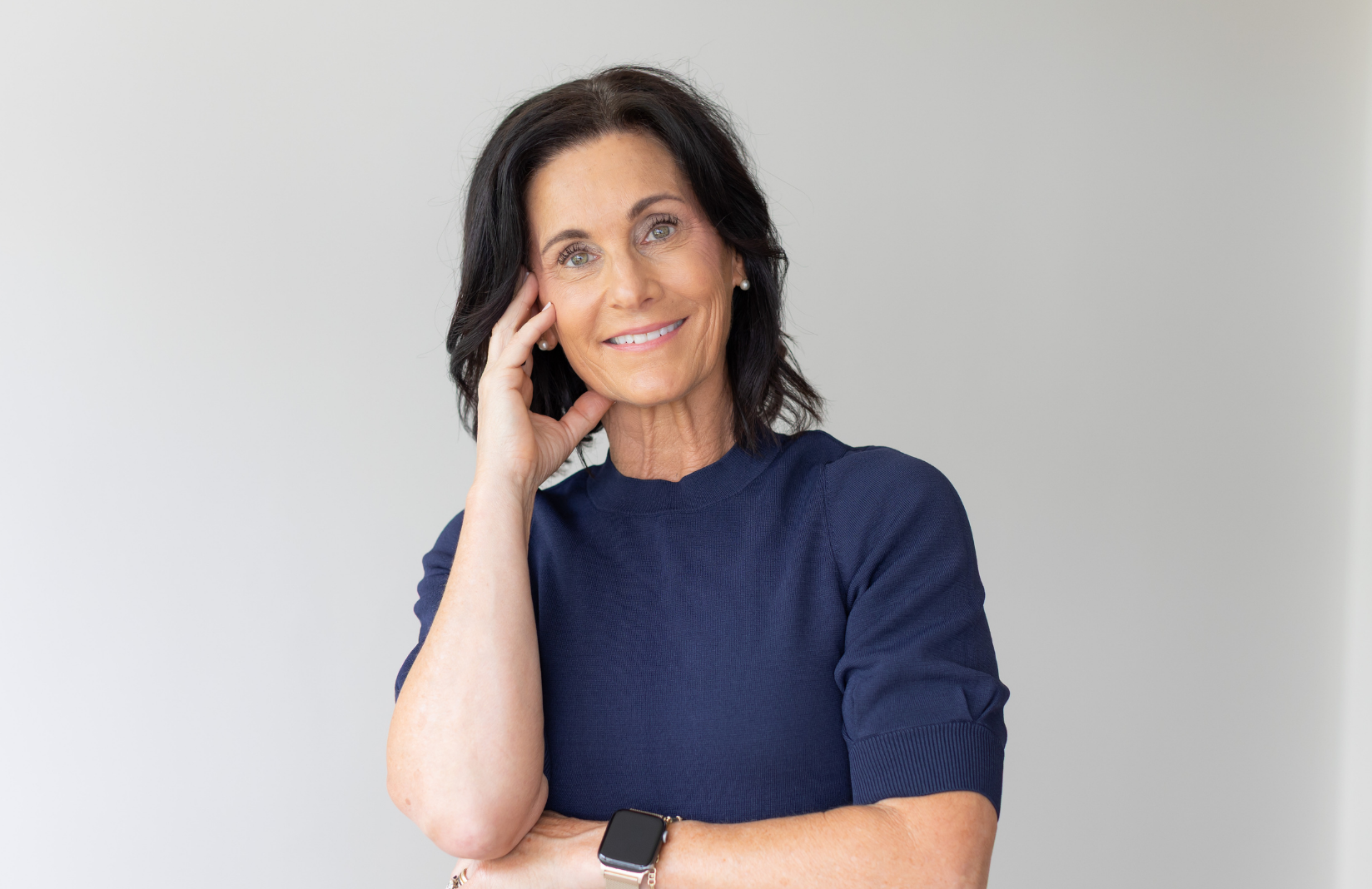
*Stacy Fritz is the founder of FIT2order, a WBENC-certified corporate wellness company, a TEDx speaker, and the inventor of the vidaBALL® — a patented handheld breathing device used by teams who need focus fast. She has been helping organizations make wellness work since 2008.